Source Handmade Multicolor Paracord Bottle Handle for Travel, Camping, Hiking
Find 30 options for a handmade multicolor paracord bottle handle suitable for travel, camping, and hiking. Buyers can compare specifications, materials, and customization features from verified suppliers.
Key considerations
Products List
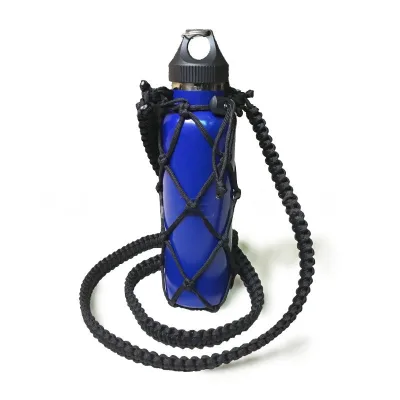
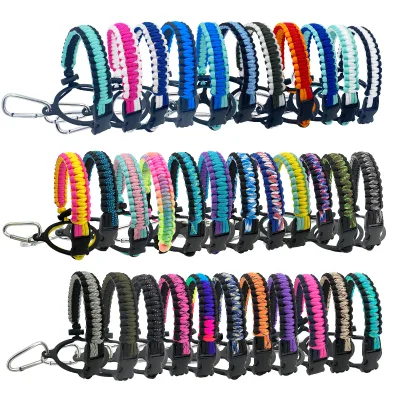
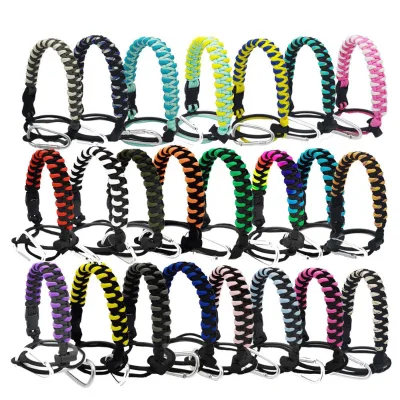
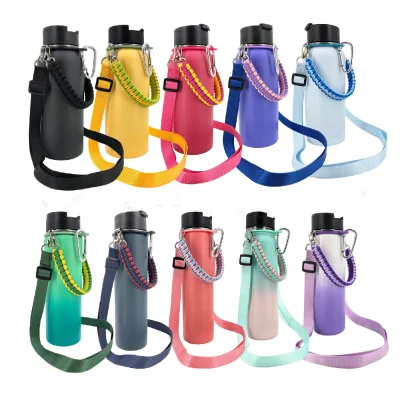
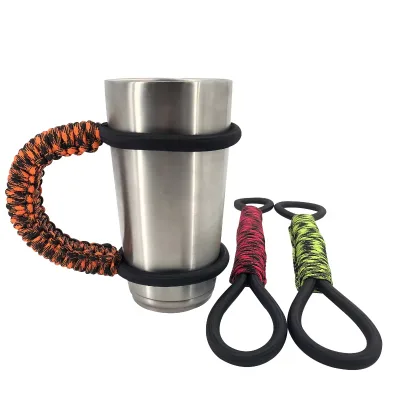
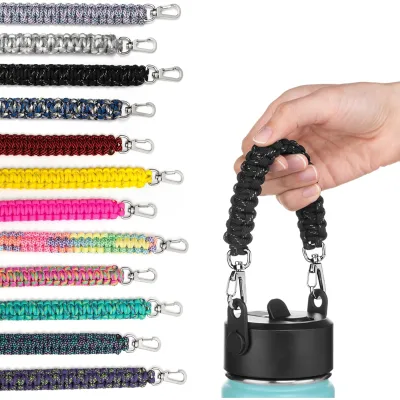


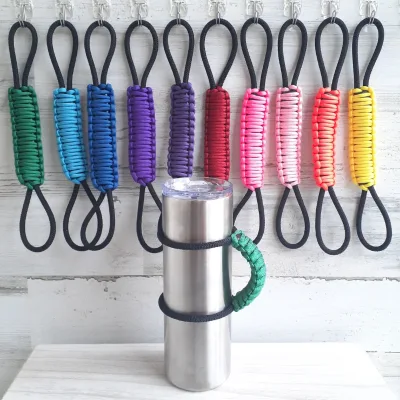
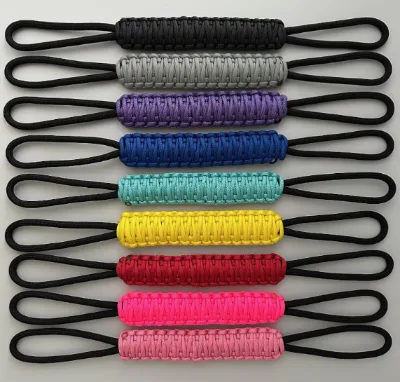


Comprehensive Sourcing Guide
Strategic Sourcing Guide for Handmade Multicolor Paracord Bottle Handles
Understanding Product Specifications and Material Composition
When sourcing handmade multicolor paracord bottle handles, buyers must first distinguish between the specific material compositions and dimensional constraints observed in the current market. The core product category encompasses items designed to attach to water bottles, kettles, and storage containers, often serving as both functional grips and decorative accessories. The primary material observed in high-volume listings is seven-core paracord, which is distinct from standard polyester variants also available in the supply chain. While seven-core paracord offers superior tensile strength and a traditional aesthetic, polyester options provide a different texture and cost profile, often utilized in applications requiring specific color fastness or weight reduction.
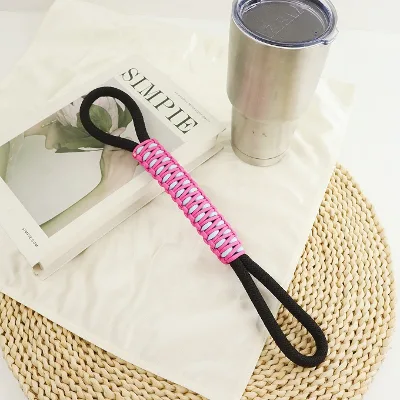
Dimensional consistency is a critical specification for buyers integrating these handles into larger product lines. The market data indicates a wide variance in physical attributes. For instance, one specific model, identified by the reference number EM-13504, features a size of 22*23cm with a single package size of 23X22X2 cm. In contrast, other variants, such as the EM-10537 model, are significantly more compact, measuring 17X12X10 cm per package with a thickness of 11 mm. A third category, the EM-13178 model, presents a different set of dimensions, with a single package size of 25X8X5 cm. Buyers must verify which dimensional profile aligns with their specific container requirements, as the "onesize" designation often applies to the handle itself but not necessarily to the packaging or the intended load capacity.
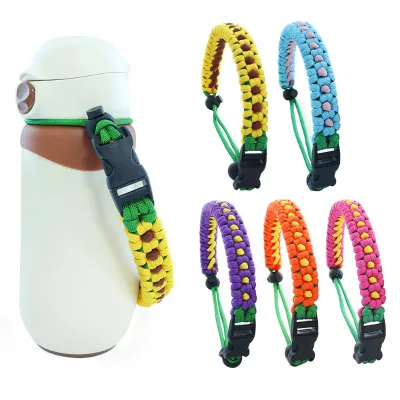
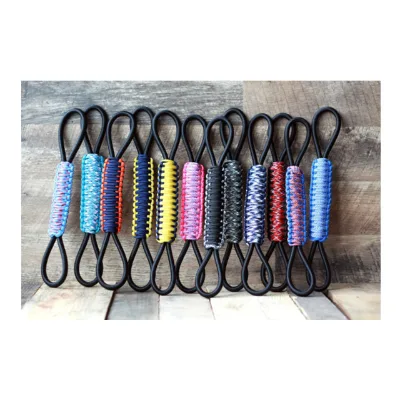
The manufacturing technique is a defining characteristic of this product category. The "handmade" attribute is frequently cited, implying that the weaving process involves manual labor rather than fully automated machinery. This manual intervention allows for the creation of complex multicolor patterns, including combinations of navy blue, yellow, light green, blue, red, purple, pink, and gray. The ability to customize colors is a significant driver for this product, with suppliers often accepting requests for specific color palettes beyond standard stock options. However, the handmade nature introduces variability in the final product, necessitating strict quality control protocols to ensure consistency across large orders.
Compliance, Certification, and Safety Standards
Navigating the compliance landscape for textile and cordage products requires a clear understanding of the certifications currently associated with this supply chain segment. Market observations indicate that certain products in this category carry CE and ISO certifications. These marks suggest that the manufacturer has undergone specific assessments regarding product safety and quality management systems. However, the presence of these certifications on a product page does not automatically guarantee that every unit in a specific shipment meets these standards without verification. Buyers must treat these certifications as indicators of the supplier's capability rather than a blanket guarantee for every order.
The waterproof standard is another critical compliance factor. The product listings explicitly mention a "Waterproof" standard, which is essential for items intended for outdoor activities, hiking, or camping where exposure to moisture is inevitable. This attribute ensures that the paracord or polyester material does not degrade rapidly upon contact with water, maintaining its structural integrity and aesthetic appeal. Buyers should request specific test data or material safety data sheets (MSDS) to confirm the waterproofing claims, particularly if the handles are intended for use in harsh environments or with specific liquids.
Furthermore, the application of these handles often involves contact with food or beverage containers. While the product is described as suitable for water bottles and kettles, the material composition—whether seven-core paracord or polyester—must be verified for food safety compliance if the handle will be in direct contact with drinking vessels. The "CE ISO" certification mentioned in the data likely covers general product safety, but specific food-grade certifications (such as FDA or LFGB) are not explicitly confirmed in the provided context. Therefore, procurement teams must explicitly query suppliers regarding food-contact safety standards if the end-use involves potable liquids.
Cost Drivers and Pricing Dynamics
The pricing structure for handmade multicolor paracord bottle handles is influenced by several variable factors, including material type, customization level, and order volume. The observed price range in the market spans from $0.03 to $4.50 USD per unit. This wide disparity reflects the difference between basic, unbranded items and high-quality, custom-designed products with complex weaving patterns. The lower end of the price spectrum typically corresponds to standard polyester handles with minimal customization, while the upper end often includes seven-core paracord, custom logos, and specific color combinations.
Minimum Order Quantity (MOQ) is a significant cost driver in this sector. The data reveals an MOQ range from 10 pieces to 50,000 pieces. For small businesses or startups, an MOQ of 10 pieces allows for low-risk market testing, whereas large retailers may leverage the higher volume tiers to negotiate better unit prices. The "Selling Units" are typically listed as single items, but the "Packaging" often involves bulk units, such as 1000 pieces per carton or 1 piece per OPP bag. Buyers must calculate the total landed cost, including packaging fees and shipping, as the single gross weight varies significantly between models, ranging from 0.120 kg to 1.0 kg per unit.
Customization is another primary cost factor. The ability to add a customized logo and select specific colors is a standard offering, but these services often incur additional charges or higher MOQ thresholds. The "OEM/ODM" acceptance indicates that suppliers are willing to produce private-label goods, but the complexity of the design and the volume of the order will directly impact the final price. Buyers should be prepared for a tiered pricing structure where the unit cost decreases as the order volume increases, provided the customization requirements remain within the supplier's standard capabilities.
Typical Applications and Usage Scenarios
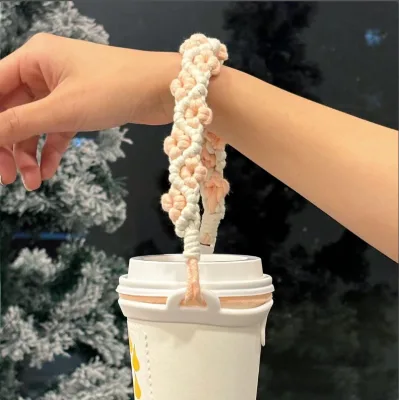
The versatility of handmade multicolor paracord bottle handles makes them suitable for a diverse range of applications, extending beyond simple utility. The primary use case is as a functional grip for water bottles, kettles, and storage containers. The product descriptions highlight specific applications such as "Hiking Outdoor Treeking Sprot Traveling," indicating a strong focus on outdoor recreation. The handles are designed to facilitate the carrying of heavy loads, with capacity specifications ranging from 5 L to 80 L, suggesting their use in both personal hydration and large-scale water storage scenarios.
In addition to outdoor activities, these handles are utilized in everyday contexts. The "Usage" field lists items such as keys, cameras, and flashlights, demonstrating the product's adaptability as a general-purpose carrying accessory. The "Application" section further expands this scope to include "Travel, Waterproof, Storage Box, Party, Outdoor Activities, Outdoor camping." This broad applicability makes the product attractive to retailers targeting multiple market segments, from outdoor gear specialists to lifestyle and party supply stores.
The "Type" classification as "sports" and "bottle handle" reinforces the product's identity as an accessory for active lifestyles. The multicolor nature of the product allows for branding opportunities, making it an ideal promotional item for events, corporate gifts, or team uniforms. The "Season" attribute, listed as "All Seasons, Autumn, Winter, Summer, Spring," suggests that the product is not limited to specific weather conditions, further enhancing its marketability throughout the year. Buyers should consider these diverse application scenarios when selecting suppliers, ensuring that the chosen manufacturer can meet the specific demands of each target market segment.
Supplier Evaluation and Verification Protocols
Evaluating suppliers for handmade multicolor paracord bottle handles requires a rigorous approach to verifying claims and capabilities. The "Place of Origin" is consistently listed as Guangdong, China, a region known for its manufacturing density and supply chain efficiency. However, the specific location does not guarantee quality; buyers must assess the supplier's production capacity, quality control processes, and track record. The "Brand Name" EMAK is observed in some listings, but the "OEM" and "Customized Logo Acceptable" attributes indicate that many suppliers operate as private label manufacturers.
Buyers should prioritize suppliers who demonstrate transparency in their production process. Since the product is "handmade," the consistency of the weaving and the quality of the knots are critical. Suppliers should be able to provide samples that match the exact specifications of the ordered product, including color accuracy and material thickness. The "Technique" being "Handmade" implies that human error is a potential risk, so suppliers with robust quality assurance measures are essential.
Verification of the "Certificate" claims is another vital step. While CE and ISO are mentioned, buyers should request valid certification documents and verify their authenticity with the issuing bodies. Additionally, the "Delivery time" of 15-25 days depending on the order should be confirmed with the supplier to ensure it aligns with the buyer's inventory needs. The "Single gross weight" and "Single package size" data provided in the listings should be cross-referenced with the supplier's actual shipping documents to avoid discrepancies in logistics planning.
Quality Control and Long-Term Procurement Strategy
Implementing a robust quality control (QC) strategy is essential for maintaining product integrity in the handmade paracord handle sector. Given the manual nature of the production, variations in color shade, knot tightness, and overall finish are possible. Buyers should establish clear acceptance criteria based on the observed specifications, such as the 11 mm thickness for certain models or the specific dimensions of the 22*23cm variant. Regular inspections during production and pre-shipment checks are recommended to identify and rectify defects before the goods leave the factory.
Long-term procurement considerations involve building a sustainable relationship with suppliers who can scale production while maintaining quality. The "MOQ" range of 10 to 50,000 pieces offers flexibility, but buyers should aim to negotiate volume discounts and consistent lead times as their order quantities grow. The "Packaging" method, often "1pc/opp Bag" or bulk cartons, should be standardized to ensure efficient logistics and protection during transit.
Furthermore, buyers should monitor the market for changes in material availability and pricing. The "Material" composition, whether seven-core paracord or polyester, can fluctuate in cost and availability. Establishing a contingency plan for material sourcing and maintaining a buffer stock of critical components can mitigate supply chain disruptions. Finally, continuous feedback loops with suppliers regarding product performance and customer satisfaction will help refine the product offering and ensure long-term success in the competitive B2B market.
Comparative Analysis of Product Variants
To assist buyers in making informed decisions, the following table compares key attributes of the observed product variants based on the provided data. This comparison highlights the differences in specifications, materials, and intended uses, facilitating a more targeted sourcing strategy.
| Attribute | Variant A (EM-13504) | Variant B (EM-10537) | Variant C (EM-13178) |
|---|---|---|---|
| Product Name | Paracord woven kettle net handle | 550 Paracord Handle | Multi-functional and durable paracord handle |
| Material | Seven-core paracord | Polyester | Plastic |
| Size | 22*23cm | 17X12X10 cm (Package) | 25X8X5 cm (Package) |
| Thickness | Not specified | 11 mm | Not specified |
| Color Options | Black, White, Gray, Custom | Multicolor, White, Gray, Red, Purple, Pink, Blue, Green | Navy Blue, Yellow, Light Green, Blue, Multiple |
| Usage | Kettle | Bottle | Keys, Cameras, Flashlights, Kettle |
| Single Gross Weight | 0.120 kg | 0.3 kg | 1.0 kg |
| Certification | CE ISO | Not specified | Not specified |
| Application | Sports, Outdoor | Travel, Camping, Storage | Everyday items, Outdoor |
| Technique | Handmade | Handmade | Handmade |
This comparative analysis underscores the importance of selecting the right variant based on specific application needs. Variant A is ideal for kettle applications with a focus on lightweight design, while Variant B offers a robust polyester option with a defined thickness. Variant C, with its plastic material and higher weight, may be better suited for heavier-duty everyday items. Buyers must align their product selection with the specific requirements of their target market to ensure optimal performance and customer satisfaction.
FAQs
What materials are used for handmade multicolor paracord bottle handles?
The primary materials observed are seven-core paracord and polyester. Some variants also incorporate plastic components for durability. Buyers should verify the specific material composition for each model to ensure it meets their strength and texture requirements.
Can buyers customize the logo and colors on these handles?
Yes, customized logos and specific colors are acceptable for these products. Suppliers typically support custom color requests beyond standard options like black, white, or gray. This customization capability makes the handles suitable for branding and promotional purposes.
Which certifications do these bottle handles typically carry?
Certain products in this category carry CE and ISO certifications. These marks indicate assessments regarding product safety and quality management systems. Buyers should verify these certifications with suppliers to ensure compliance with their specific market requirements.
How does the MOQ vary for handmade multicolor paracord bottle handles?
The minimum order quantity ranges from 10 pieces up to 50,000 pieces depending on the supplier. Lower MOQs allow for market testing, while higher volumes often secure better unit pricing. Buyers must confirm the specific MOQ threshold before placing an order.
What is the typical lead time for delivery of these handles?
The delivery time is generally between 15 and 25 days depending on the order volume. This timeframe accounts for the handmade production process and logistics planning. Buyers should confirm the exact schedule with their chosen manufacturer to align with inventory needs.
Which dimensions are available for the single package size?
Package sizes vary by model, with examples including 23x22x2 cm and 17x12x10 cm. Some models have a single package size of 25x8x5 cm. Buyers must check the specific dimensions for the model they intend to purchase to plan shipping and storage effectively.
What is the price range for handmade multicolor paracord bottle handles?
The observed price range spans from 0.03 to 4.5 USD per unit. Costs vary based on material type, customization level, and order volume. Basic polyester options are cheaper, while custom seven-core paracord models command higher prices.